

From blossoming parks and gardens to dense forests and mangroves off the coast – for everybody interested in plants, Florida is THE place to go.
Here in the southeastern US, warm temperatures and plenty of rain let the vegetation flourish. Thus, it is not surprising that the variety of trees, shrubs, flowers and fruits is second to none. In this article, we will present the most important plants that hobby gardeners and nature lovers in Florida should know.
Of course, not every plant that pleases the eye is harmless. Therefore, we will show you which poisonous species you should avoid and how to recognize them.
Trees and Shrubs in Florida
Florida’s varied landscapes and climate zones support a wide range of trees and shrubs. Different regions of the Sunshine State harbor distinct species:
Northern Florida is dominated by subtropical coniferous and deciduous forests, which are covered with oaks, cypresses and maple trees. Here, you can even observe the changing color of leaves known as Indian Summer. At the end of October, species such as Florida maple, sweetgum and sorrel trees shed their summer foliage and create a splendid display of red and gold.
Relaxing under palm trees is a favorite pastime in Florida. The sabal palm (Sabal palmetto) is the official state tree. Florida has 12 native palm species in total, alongside many palms introduced from other parts of the world. Coconut palms grow in the warmer south, while more cold-tolerant species are suited to northern areas.
The banyan tree is particularly striking, with its spreading crown and aerial roots. Originally from India, it thrives in the warm, humid climate of South Florida.
Of course, no article about Florida’s plant life would be complete without mentioning the Everglades. As these wetlands are flooded for much of the year, flat, grassy prairies dominate, while cypresses, mahogany and palm trees can be found on elevated plateaus.
Where the Everglades meet coastal waters, salt-tolerant mangroves form important habitats. Their root systems help stabilize shorelines and provide shelter for many fish and other animals.
Flowers and decorative Plants in Florida
Florida’s warm, sunny climate supports many flowering plants, including sunflowers, magnolias, red-and-yellow blanketflowers, blazing star, scarlet hibiscus and flowering dogwood (Cornus florida). These plants add color to gardens and natural landscapes.
The splendor of flowers not only pleases the eye, but also provides food for numerous animals. Butterflies mainly feed on species such as hamelia patens, buddleia, penta and anise-scented sage, while hummingbirds are attracted to honeysuckle, coral bush, scarlet sage and lobelia.
Fruits and Berries in Florida
Importing fruits from distant lands is not necessary in Florida. The Sunshine State features a variety of different climate zones that in turn provide ideal conditions for fruit-growing.
In the north, where temperatures are slightly lower than in the south, nuts and berries, apples, pears, peaches and nectarines thrive. These plants cannot only endure, but actually need a number of cold days per year.
The further south you go, the wider the selection of tropical fruits becomes: including bananas, guava, papayas, mangoes, passion fruit, ginger and, of course, oranges. The flower of this citrus fruit has even made it into the state´s emblem – and rightfully so, as oranges are still a vital product for export. Equally high in demand are limes, especially of the Key Lime variety that give Florida’s Key Lime Pie its refreshing taste.
At the state´s southern end, warm and hot temperatures prevail all year round, letting lychees, breadfruit, dragonfruit and coconuts grow in abundance. In addition to these well-known sorts, there are also more exotic species such as the black sapote – a fruit that tastes like chocolate – or the canistel fruit with its distinct pumpkin pie flavor.
Florida also has a tradition of wine growing. Muscadine grapes are particularly associated with the region, and local wineries produce a range of wines.
Poisonous Plants in Florida
Not every plant that looks or smells nice is harmless. Many of Florida´s species have toxic components that can be dangerous, especially for children and pets. However, adults should also avoid certain plants in the Sunshine State. Examples include:

Pencil tree (Euphorbia tirucalli)
The pencil tree has distinctive green, pencil-thick branches. Its milky sap can irritate or burn the skin, eyes and mouth. Avoid contact with the sap and keep the plant away from children and pets.
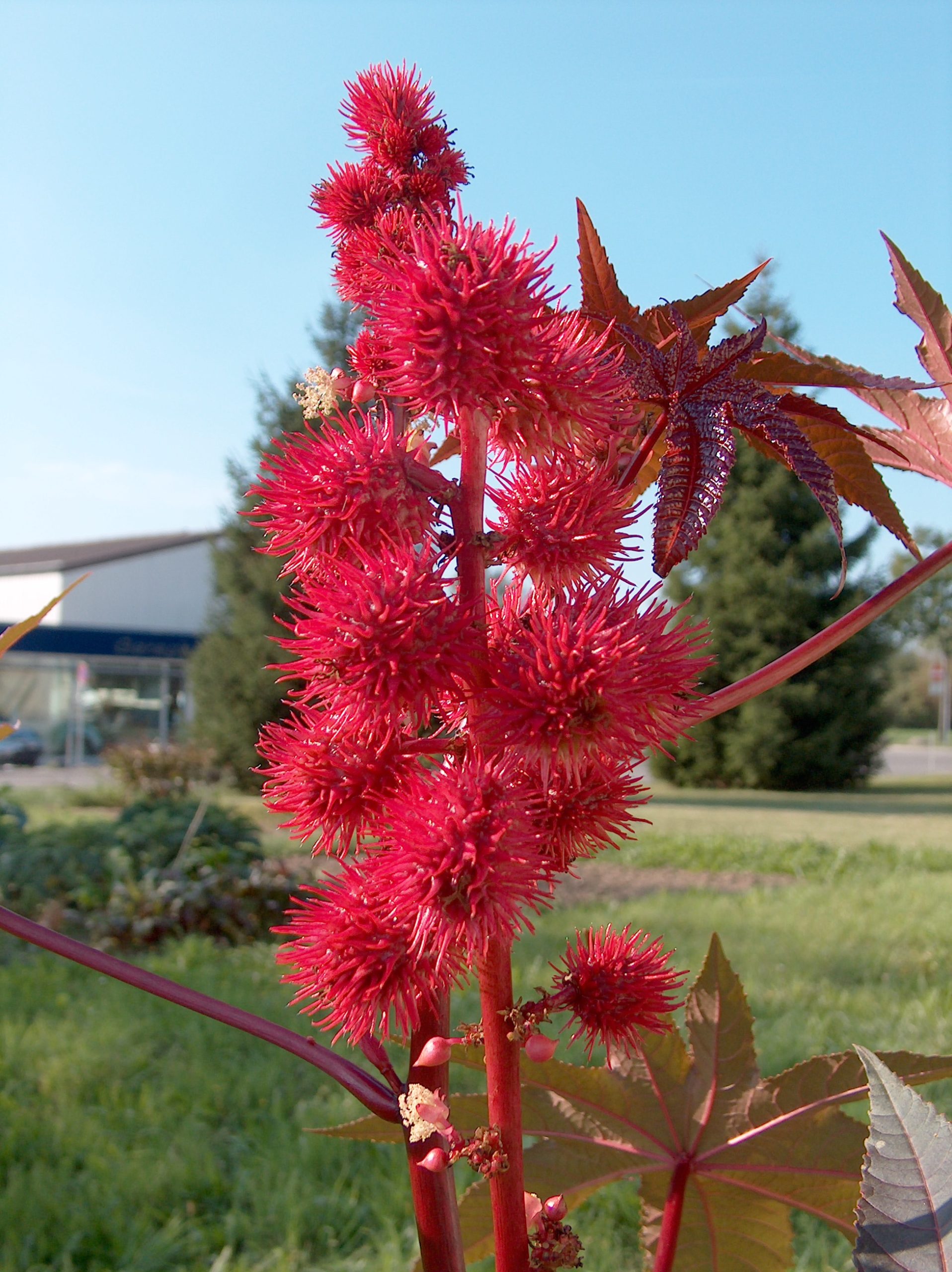
Castor bean (Ricinus communis)
This ornamental plant belongs to the spurge family and has large leaves and spiny seed capsules. Its seeds contain the toxin ricin and are dangerous if eaten. Keep seeds and other plant material away from children and pets.
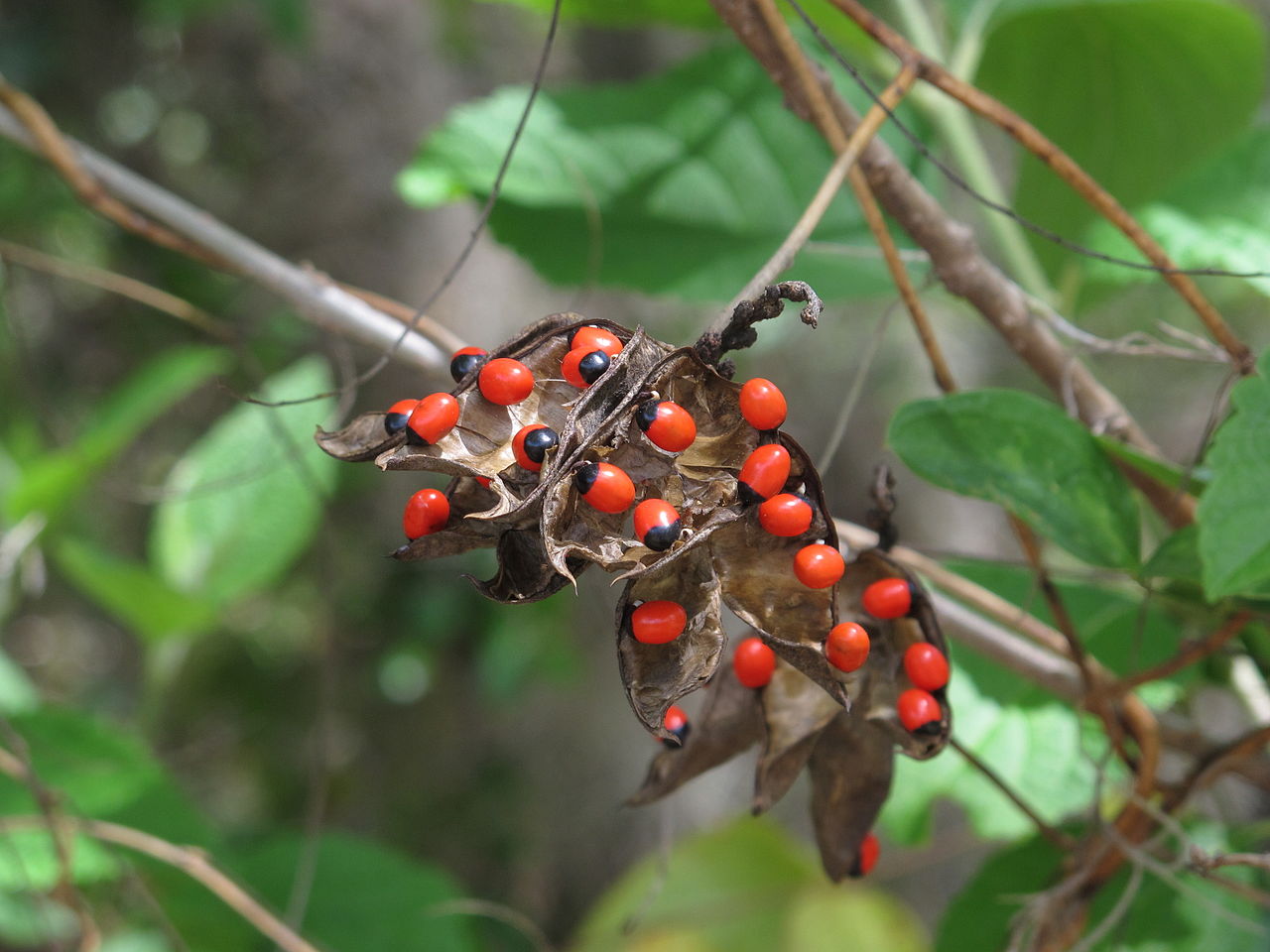
Rosary pea (Abrus precatorius)
This climbing plant produces bright red seeds with a black spot, sometimes used in jewelry. The seeds contain abrin and are highly poisonous, particularly if chewed or damaged. Rosary pea is also listed as a regulated invasive plant in Florida.
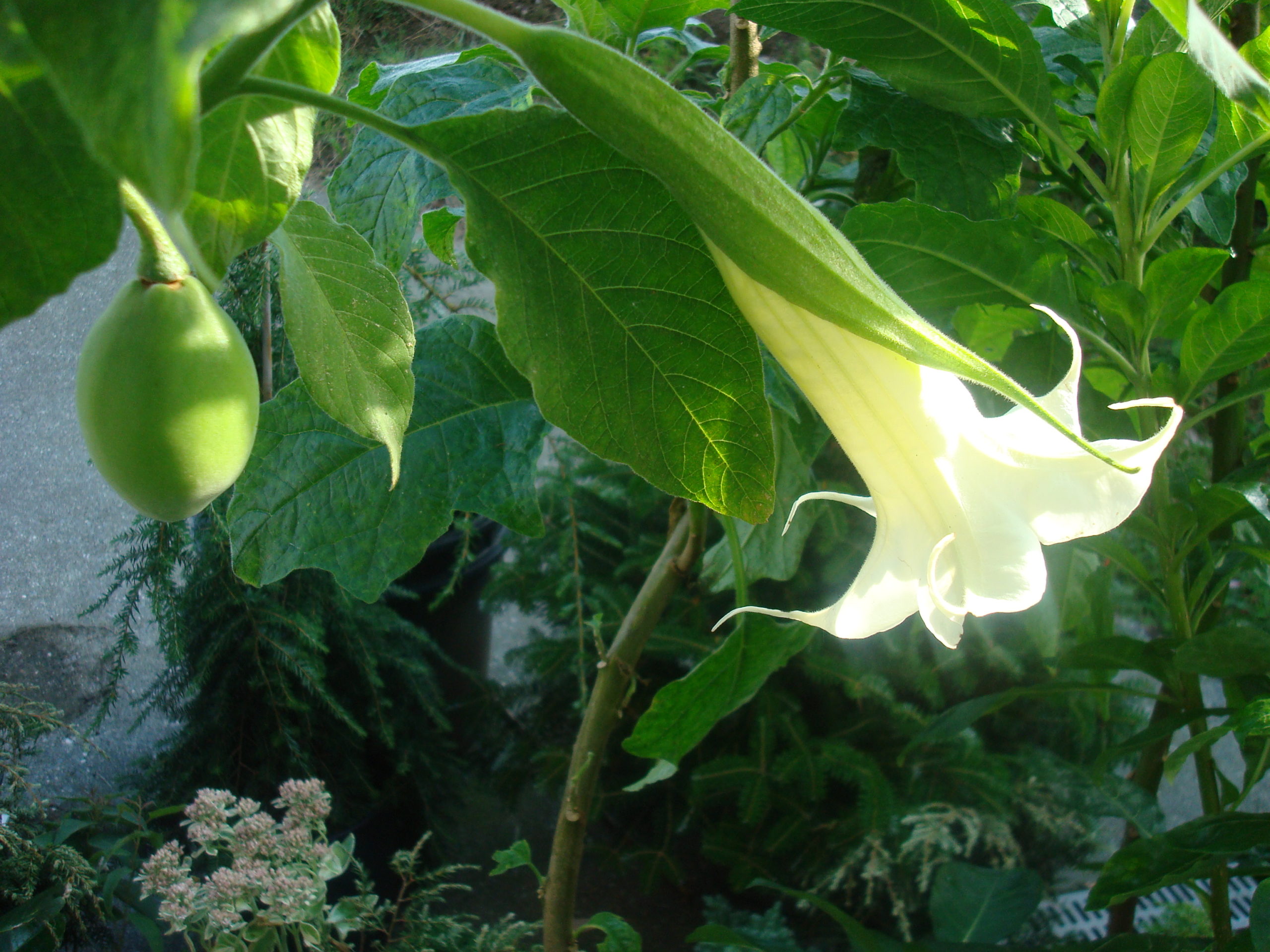
Angel’s trumpet (Brugmansia spp.)
Angel’s trumpet is an ornamental plant with large, hanging, trumpet-shaped flowers. All parts are poisonous if eaten. Keep it away from children and pets, and do not use its leaves, flowers or seeds in food or homemade remedies.
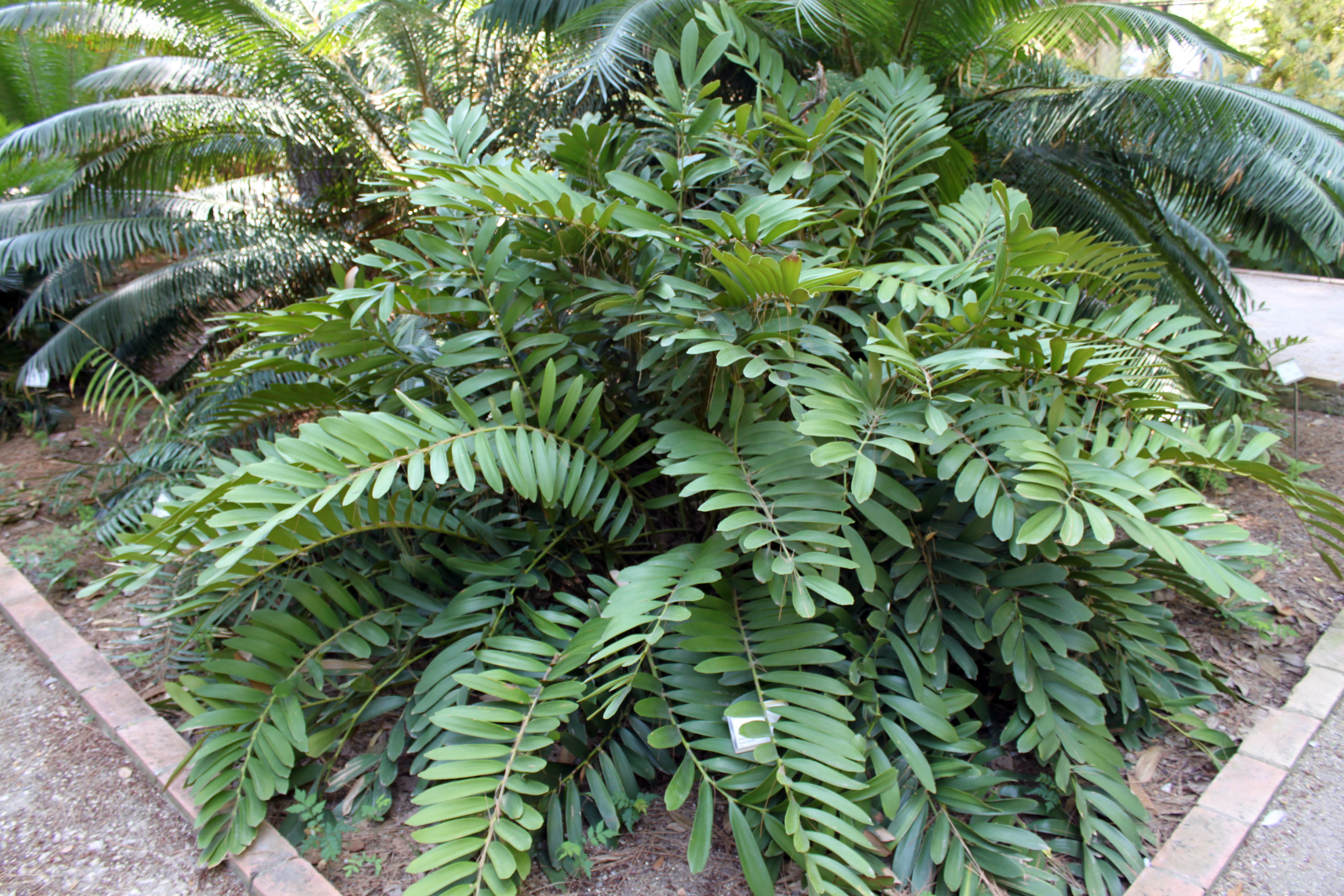
Coontie (Zamia integrifolia)
Coontie is a low-growing cycad, not a true palm or a fern. Its glossy, featherlike leaves are used in Florida landscaping. All parts of the plant are poisonous if eaten, with the seeds posing a particular risk to children and pets.
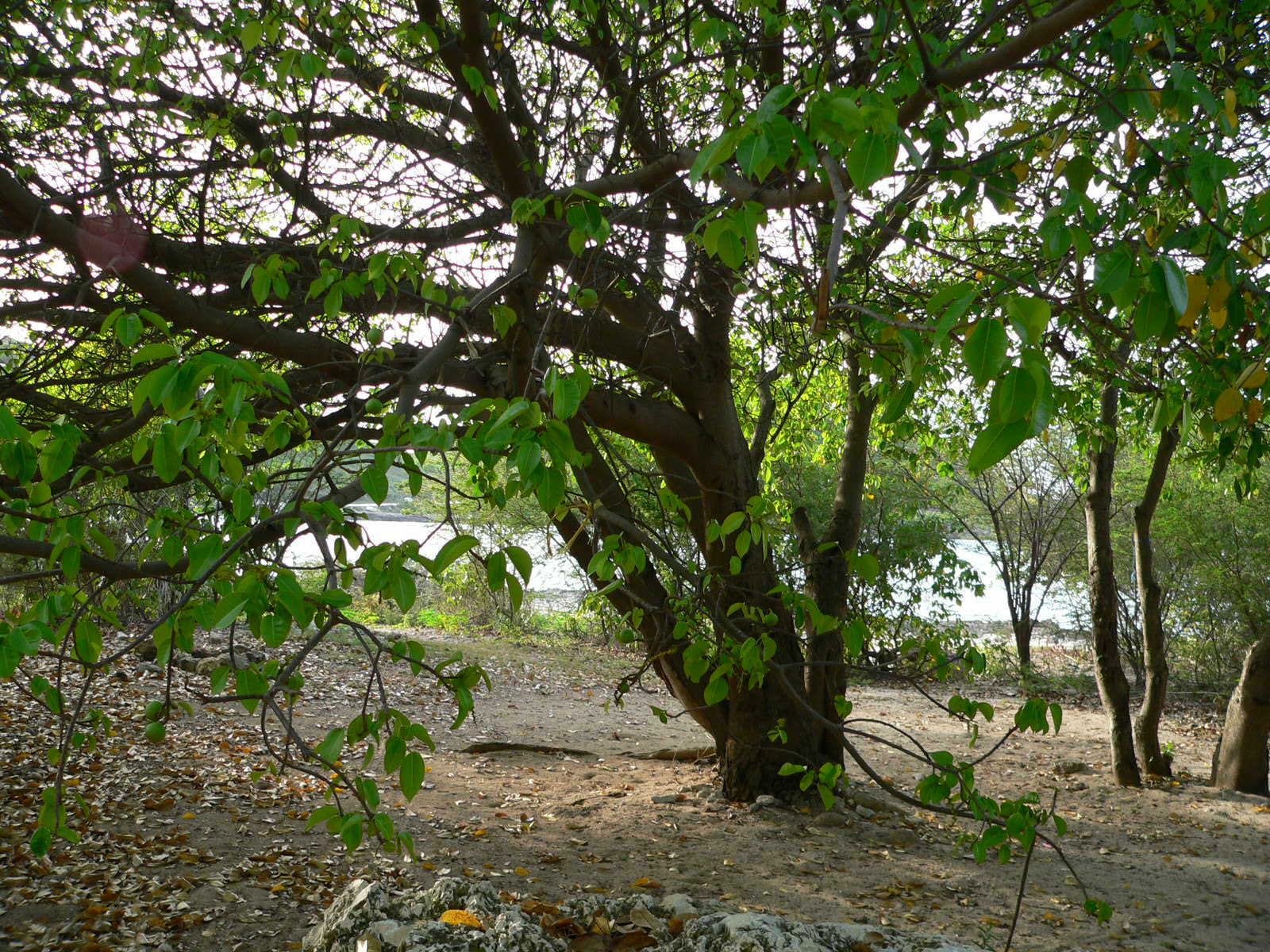
Manchineel tree (Hippomane mancinella)
The manchineel is a highly poisonous tree found in South Florida and the Keys. Do not touch its sap or eat its fruit, and do not shelter beneath it during rain: water dripping from the tree can carry irritating sap. Observe warning signs and keep your distance.
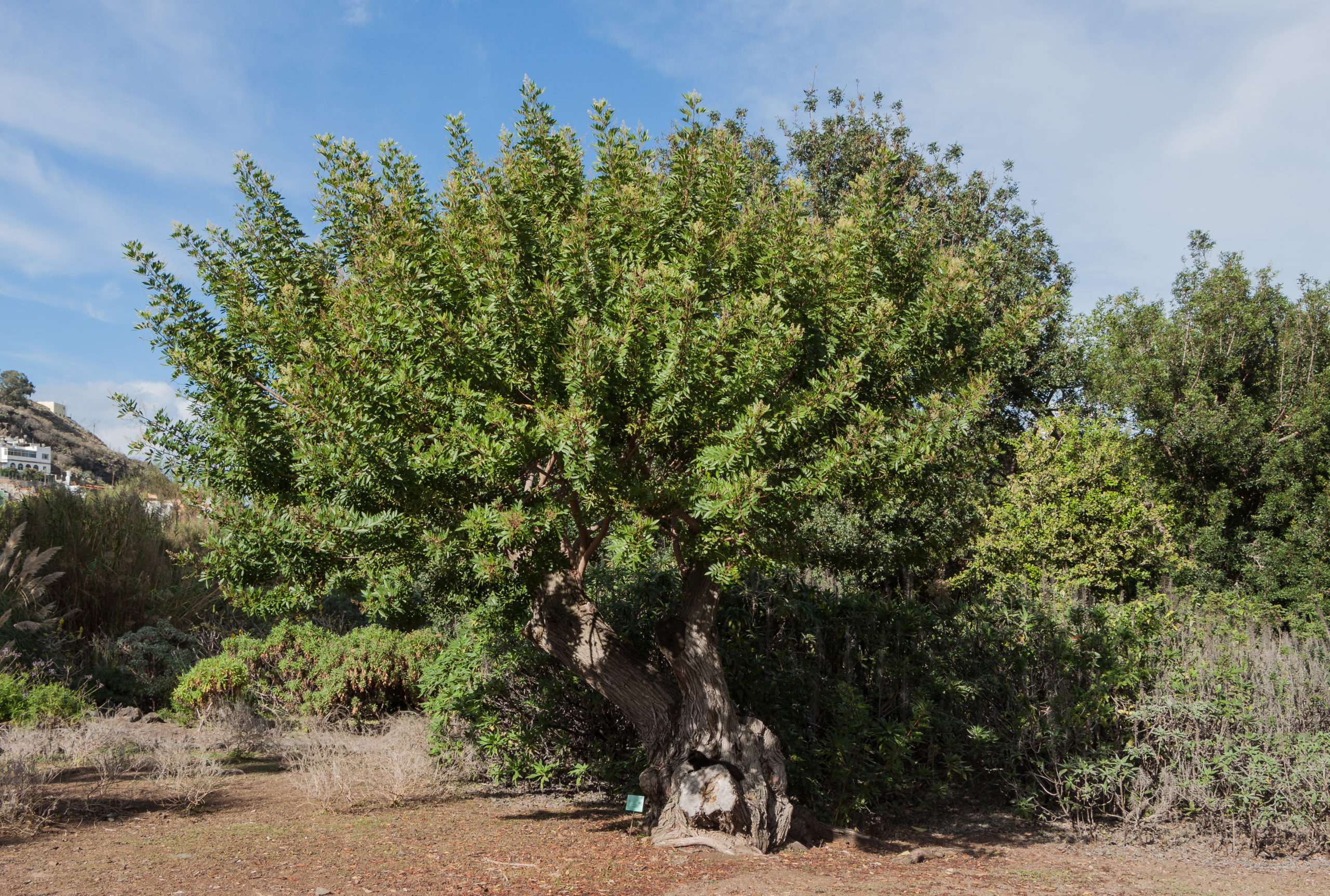
Brazilian peppertree (Schinus terebinthifolius)
This invasive shrub or small tree produces clusters of red berries. Contact with its sap can cause allergic skin reactions. It spreads aggressively in Florida and should not be planted; possession with the intent to sell or plant is prohibited without a special permit.
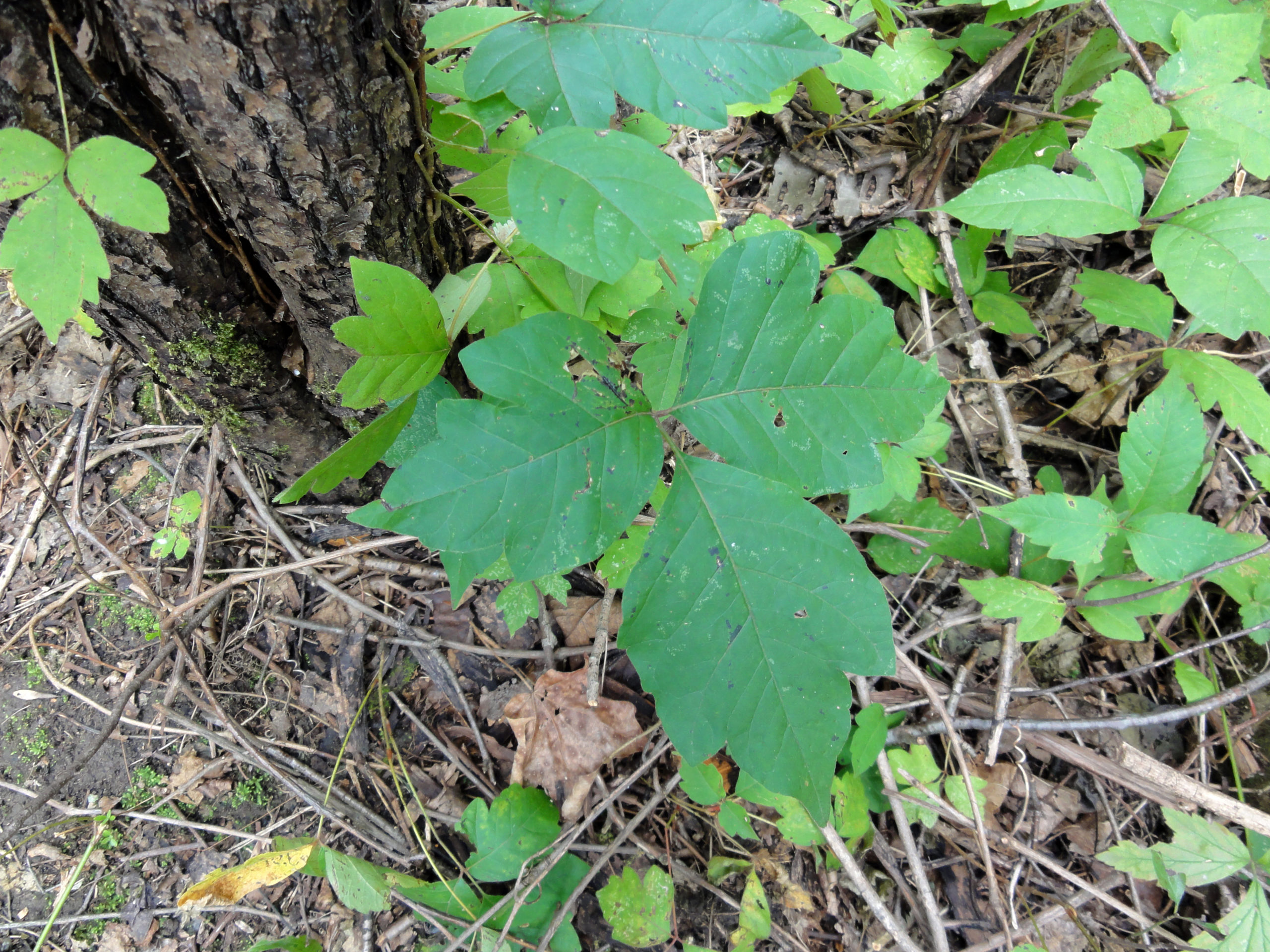
Poison ivy (Toxicodendron radicans)
Poison ivy has leaves made up of three leaflets. Its oil, urushiol, can cause an itchy rash after direct contact or contact with contaminated clothing or animals. Do not burn the plant, as smoke can carry the irritant. Remember: “Leaves of three, let it be!”
FAQ – Frequently Asked Questions
How many plants are there in Florida?
Florida supports thousands of plant species, including native and introduced plants. The total depends on which groups and categories are counted. Its varied climate zones and habitats support an especially rich plant life.
What type of plants grow in Florida?
Due to the different climate zones, there is no “typical plant” in Florida. While deciduous and coniferous trees thrive in the north of the state, the south is dominated by tropical plants such as palm trees, agaves, bromeliads and orchids – as well as flooded grasslands and mangroves off the coast.
Which fruits grow in Florida?
Depending on the specific climate zone, Florida features cold-resistant fruits such as apples, pears, plums and nectarines, as well as tropical species like mangoes, papayas, bananas and citrus fruits that rely on warm temperatures all year round.
Which plants in Florida are poisonous?
Examples include angel’s trumpet, rosary pea, pencil tree, castor bean and coontie. Poison ivy and Brazilian peppertree can cause skin reactions. Manchineel is especially hazardous: avoid contact with the tree and do not shelter beneath it during rain.